
10 Ordinary Household Items That Could Wreak Havoc
It is easy to assume your home is safe when everything seems in order.
But in our line of work, we see firsthand how everyday household items can quietly cause costly and sometimes catastrophic damage. It often happens without warning. A hose that held steady for years suddenly bursts. A toilet that was working fine last week starts leaking at the base. A lithium-ion battery overheats without any clear reason. To the homeowner, it can feel like a freak accident that came on quickly. But in most cases, these problems had subtle warning signs that went unnoticed.
That is why regular inspections are so important, whether you are living in your home or away for an extended period. At Acuity Advantage, we know what to look for and where problems tend to hide, and we are sharing that insight with you to help prevent surprises before they start. When you are at home, we encourage you to check each of these items routinely to stop small issues from becoming big ones. And when you are travelling or leaving your property vacant, we strongly recommend putting your home in the capable hands of a Certified Home Watch Professional.
In no particular order of importance, here are 10 common household items that seem harmless, but could cause serious issues if left unattended or not properly inspected:
1. Toilets
Toilets are one of the most frequently used fixtures in any home, but also one of the most overlooked when it comes to maintenance. A toilet that runs continuously or leaks at the base might not seem urgent, especially if the noise is faint or intermittent. In many cases, homeowners do not even notice it. The slow hiss of water running into the tank or a quiet trickle into the bowl can blend into the background, especially in a busy household. But over time, even a minor leak can waste hundreds of gallons of water.
When toilets leak at the base, the water often seeps into the flooring and subflooring beneath. Left undetected, this moisture can cause wood to warp, tiles to loosen, and mold to spread inside walls and under flooring. The damage is not always visible right away, which is why it can be so destructive. What starts as a simple maintenance issue can turn into major structural repairs.
In a vacant or seasonally unoccupied home, the problem is even more serious. With no one around to hear the faint sound of running water or notice signs of moisture, a toilet leak can go on for weeks or months, causing escalating damage and potentially voiding insurance coverage if the property is not being checked regularly.
2. Washing Machine Hoses
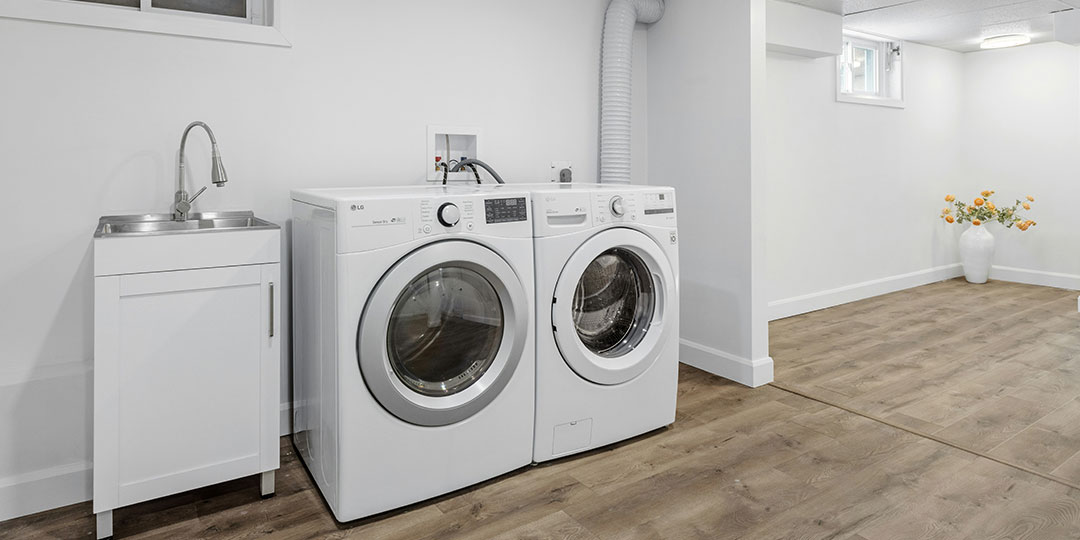
Traditional rubber washing machine hoses degrade over time and can burst under pressure, flooding your laundry area in minutes. We recommend using stainless steel braided hoses and ensuring water supply valves are shut off when the home is unoccupied. During inspections, we look for signs of wear, bulging, or moisture buildup.
3. Refrigerator Water Lines
Many modern refrigerators come with built-in ice makers and water dispensers. The water lines feeding these features are often thin, flexible tubes that can kink, crack, or disconnect over time, especially when no one is home to notice. A slow drip behind your fridge can result in warped flooring, soaked drywall, mold, or worse.
4. Hot Water Tanks
Hot water tanks are one of the most common and costly sources of interior water damage, especially in older homes or properties that sit empty for extended periods. While they are built to last, all tanks degrade over time. Corrosion, sediment buildup, failed pressure relief valves, or simply aging components can lead to slow leaks or sudden ruptures. If the tank fails while no one is home, it can flood an entire utility room, seep into flooring and walls, and cause long-term structural or mold issues.
Even a small, consistent leak can do damage if left unchecked. Many tanks are installed in out-of-the-way corners of basements, garages, or closets, places that homeowners do not regularly inspect. Warning signs such as rust stains, water pooling near the base, or unusual sounds like popping or gurgling often go unnoticed until a serious issue develops.
In colder climates, the risk increases if the tank is not properly insulated or if the surrounding area is subject to freezing temperatures. A frozen line or failed valve could result in burst pipes and extensive water damage throughout the home.
5. Lithium-Ion Batteries
Lithium-ion batteries are now in nearly every home: smartphones, laptops, cordless vacuums, power tools, and increasingly, e-bikes and scooters. While generally safe if properly used and stored, they can pose a serious fire hazard when damaged, overcharged, or charged under unsafe conditions.
In June 2025, a Winnipeg home caught fire (CBC article) when an e-bike battery ignited during charging, forcing the residents to flee as flames quickly spread. This incident shows how quickly a routine activity can spiral into an emergency.
To help protect your home:
- Never charge devices, especially lithium-ion batteries, overnight or while unattended.
- Always place chargers and batteries on hard, non-flammable surfaces. Avoid cloth-covered surfaces like beds or couches that can trap heat.
- Keep charging items out of direct sunlight. Placing them in windows or doorways where sunlight can hit them may cause overheating.
Simple safety checks:
- Are chargers unplugged before bed?
- Are batteries charging on a safe surface during the day?
- Are e-bike batteries stored away from flammable materials?
6. Dryer
Many people forget or simply neglect to clean the lint trap after each load of laundry. It is one of the most common oversights in home maintenance, and one of the most dangerous. Even when the dryer is not in use, a full lint trap or clogged vent line can pose a serious fire hazard. Lint is highly flammable, and if heat builds up with nowhere to escape, ignition becomes a very real risk.
In addition to cleaning the lint trap after every load, it is essential to inspect the vent line that leads to the outside of the home. Over time, lint builds up in this duct, restricting airflow and forcing the dryer to work harder, often overheating in the process. A clogged vent also traps moisture, which can lead to mold growth or cause your dryer to perform inefficiently, leaving clothes damp and musty.
Because dryer vents connect to the exterior of the home and carry residual warmth, they have also been known to attract small animals, especially in colder climates. Birds, rodents, and insects may seek shelter in or around the vent opening, creating blockages or building nests that further reduce airflow and increase risk. This is particularly common during seasonal transitions or storms, when wildlife is seeking dry, warm spaces.
7. Power Bars and Extension Cords
Power strips and extension cords are convenient, but they are also one of the most common causes of residential electrical fires. Tucked behind furniture, entertainment units, or appliances, they are easy to forget about until something goes wrong. The danger often lies in overloading the circuit, using outdated or low-quality surge protectors, or “daisy-chaining” multiple cords together, something we regularly encounter in garages, home offices, and media rooms.
When extension cords are used as a permanent solution rather than a temporary fix, or when too many high-wattage devices are plugged into a single strip, the wiring can overheat and spark. Add in dust, restricted airflow, or placement near flammable materials like drapes or paper, and you have a high-risk situation with no warning signs until it is too late.
8. Sump Pump Failures
If your home relies on a sump pump, it is essential to know it is functioning properly, especially during rainy seasons. Power failures, stuck floats, or disconnected discharge lines can turn a preventative tool into a point of failure. A flooded basement is one of the most expensive disasters a homeowner can face.
9. Dishwashers
Dishwashers are one of the most overlooked sources of water damage in the home. Over time, the seals around the door, pump, or water inlet can wear out, leading to slow leaks that go undetected, especially if the appliance is not used frequently. A small drip under the unit can seep into cabinetry or flooring, causing warping, mold, and rot before anyone notices.
Even when not in use, dishwashers can pose a risk if water is left sitting in the hoses or the unit itself. During our inspections, we check for visible signs of leaks, water pooling beneath or behind the appliance, and any moisture-related damage around cabinetry or flooring.
10. Houseplants
Houseplants bring warmth and character to a home, but without proper care, they can attract unwanted pests and contribute to hidden damage. Overwatering is one of the most common issues, leading to standing water in saucers and soggy soil, both of which create ideal breeding grounds for fungus gnats, fruit flies, and other insects. Decaying leaves and stagnant moisture can also draw ants, mites, and even cockroaches if left unchecked.
In vacant or seasonal homes, where airflow is limited and no one is around to intervene, a few neglected plants can quickly become the source of a pest problem. On top of the risk of insects, excessive moisture from overwatering can lead to mildew, mold growth, and damage to nearby floors, walls, or furniture.
Small Oversights Lead to Big Consequences
When it comes to protecting your home, it is the little things that matter most. A toilet that leaks silently, a battery charging in the garage, or a water line behind your fridge—these are the issues that often go unnoticed without regular, informed inspection.
When you are home, we encourage you to inspect your home regularly. And when you are travelling or leaving it vacant, leave your property in our capable hands. Our team of Certified Home Watch Professionals at Acuity Advantage is trained to catch small problems before they become big disasters. Whether you own a vacation property, travel seasonally, or simply want added peace of mind, we are here to help you protect what matters most.
Contact Us Today
📞 Call us at (403) 860-9921
📧 Email us at info@acuityadvantage.com
🌐 Visit AcuityAdvantage.com
 Previous Post
 Next Post